
the devil wears prada (chanel)?
and now I wanna sit back and relax......

As deep as I go into the fashion business, the more I wanna escape it. Sometimes fashion feels like being in a situationship with someone incredibly beautiful that constantly humiliates you in public.
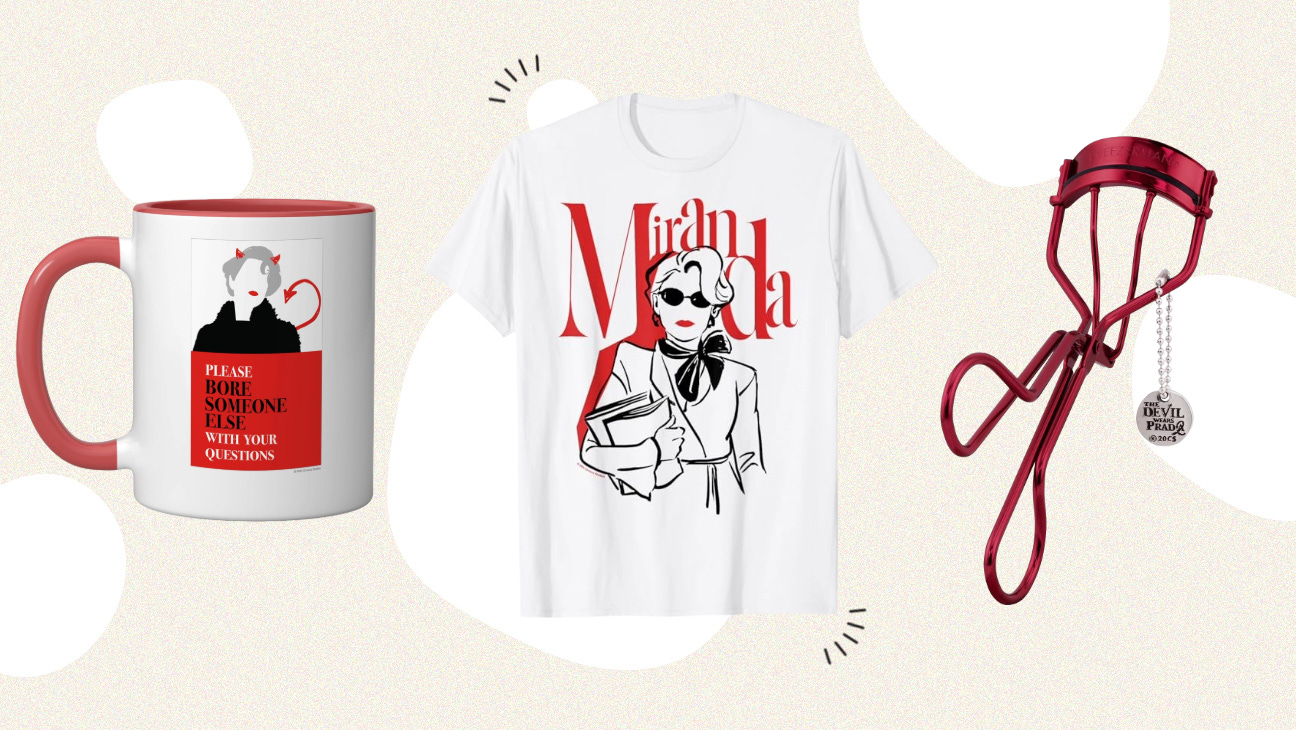
This week I watched The Devil Wears Prada 2 and it is not worthy it, just a big PR moment. On my casual walk to the gym, trying to romanticise cardio, I watched a YouTube video called The Devil Wears Prada 2 PR Strategy by Val and the girl explained how the merch surrounding the movie gives buyers a feeling of proximity to something that was originally built to exclude them. That sentence kind of unlocked something in my brain because isn’t that what luxury has been doing recently? Selling access to exclusion itself, maybe the gatekeepers suddenly opened the gate a little bit and invited you in for content purposes, it’s funny. Like yes buy this mug and feel the dream, but know that the dream is unreachable.
Anyways, I’m not trying to dismiss Anna Wintour because her impact on fashion culture is undeniable, from transforming American Vogue into what it became to turning the Met Gala into one of the most globally anticipated events of the year, her achievements are there. What confuses me is this recent obsession powerful people have with wanting to appear relatable. Because the entire mythology surrounding Anna Wintour was built on distance, authority and control, on this idea that she was untouchable and impossible to please. The Devil Wears Prada 2 was literally a satire, we were supposed to laugh at how absurd this world is, how ridiculous the power dynamics are, how emotionally detached everyone becomes in the pursuit of taste and status. There is this new dynamic of people laughing with her instead of at her, the villain became iconic enough to become lovable?
On another topic, which is intrinsically related to the other, is how much the perception of the Met Gala has changed in the last few years. Since 1995, Anna Wintour has basically gathered celebrities, designers, models, athletes, billionaires, influencers and anyone culturally relevant into one room to raise money for the Metropolitan Museum of Art in New York City. On paper it sounds almost noble, fashion funding art, celebrity culture feeding the museum world, and for years people watched it almost like a global holiday because there’s genuinely something fascinating about seeing fashion perform at that level. In its whole the met gala is a couture runway mixed with reality television, they try to portrait the same glamour of old Hollywood but also the messiness of internet gossip culture. Because yes, people remember Zendaya dressed as Joan of Arc in Versace and Rihanna in that enormous yellow gown by Guo Pei, but people also remember awkward interviews, weird celebrity interactions, exes ending up in the same room, the body language analysis, gossip. Who doesn’t remember Emma Chamberlain interviewing Jack Harlow like it was a live fan-fiction moment for the internet? The Met Gala became both a fashion archive and a dating show, high culture and tabloid culture melting into the exact same thing.

But at the same time, there’s another side growing louder online, especially after the pandemic, where people are starting to look at these events with genuine discomfort. In my opinion social media changed everything because now the distance between the public and these people disappeared, before, fashion fantasy existed in magazines and unreachable campaigns. Now billionaires post “get ready with me” videos while normal people can barely pay rent. So when people online joke “I’m watching the Met Gala from District 12,” referencing The Hunger Games, it’s funny but it’s also not entirely a joke. Because there is something dystopian about watching people walk up museum stairs in outfits worth more than apartments while the comment section is full of people stressed about groceries and global instability. The spectacle starts feeling less aspirational and more surreal.
Which brings me back to this whole “relatable billionaire” phenomenon because I genuinely think it comes from fear of non-admiration for wealth. So instead of intimidating the public, luxury culture is trying to emotionally manipulate the public into feeling included.
xoxo,
Joana V
Why is everyone moving to LA